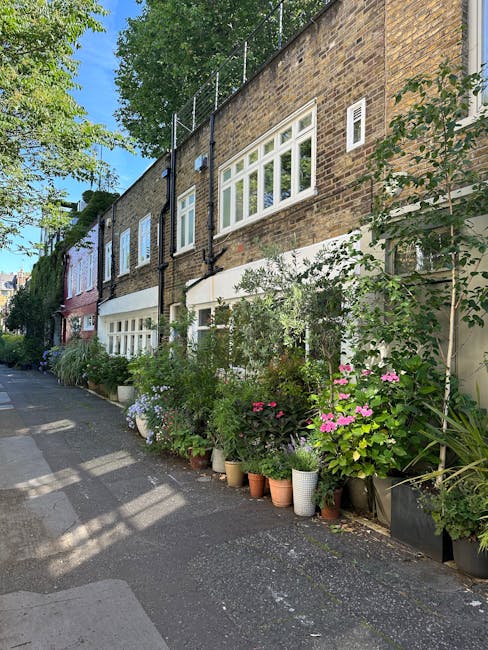
Landlord Guide Hiring Gardeners for Kings Cross Flats
If you manage a flat in King's Cross, garden care can feel oddly simple on paper and surprisingly messy in real life. One week the communal beds look tidy; the next, leaves pile up, hedges lean into walkways, and tenants start asking who is meant to deal with it. This landlord guide hiring gardeners for Kings Cross flats is designed to make that job easier. It explains how to choose the right gardening support, what to expect from a reliable service, and how to keep outdoor spaces presentable without overpaying or creating avoidable headaches.
Whether you own a single rental flat with a small courtyard or oversee a block with shared planting, the basics are the same: clear responsibility, consistent upkeep, sensible budgeting, and a gardener who understands urban spaces. Let's face it, in central London you rarely have the luxury of "we'll sort it later". The longer you leave it, the more expensive and awkward it gets.
Practical takeaway: The best gardener for a Kings Cross flat is not just someone who cuts grass. It is someone who understands access, tenant convenience, safety, seasonal timing, and the realities of keeping compact city outdoor areas looking cared for.
Why Landlord Guide Hiring Gardeners for Kings Cross Flats Matters
Outdoor space is often the first thing people notice about a property, even in a flat. A tidy entrance bed, clean paving, controlled hedges, and a well-kept communal garden quietly signal that the whole building is managed properly. That matters for tenant satisfaction, viewings, and day-to-day upkeep. A scruffy front area can make a decent flat feel neglected. It's a bit unfair, but that's how people read a place.
For landlords in Kings Cross, the challenge is not just appearance. It is also practicality. Space is tight, access can be awkward, and many properties sit in shared or partly enclosed layouts where small maintenance problems become visible fast. Damp leaves on paths, overgrown shrubs near entrances, or weeds around bins can quickly turn into complaints. One resident notices it, then another does too, and suddenly you are dealing with something that should have taken one tidy visit.
There is also a financial side. Regular maintenance is usually easier to plan than reactive clearance. If you let growth get out of hand, you may need more intensive work later, such as garden clearance or heavier structural trimming rather than simple upkeep. Many landlords find a routine approach is calmer, cheaper in the long run, and much less embarrassing during a mid-tenancy inspection.
How Landlord Guide Hiring Gardeners for Kings Cross Flats Works
Hiring a gardener for a flat is usually straightforward, but the good arrangements happen before anyone arrives with tools. First, you identify what the property actually needs. Some flats only need light seasonal tidy-ups. Others need repeat visits for mowing, hedge trimming, leaf clearance, and plant care. If you are managing a block, you may need a broader schedule that keeps communal areas presentable week after week.
In practice, the process often starts with a walk-through or a set of photos. A good contractor will want to understand access points, waste removal, the size of the space, and whether the garden is private or shared. They may also ask about noise windows, tenant permissions, and any restrictions for entry. That sounds dull, but it avoids awkward misunderstandings later. Nobody wants a gardener turning up when a tenant is asleep after a night shift.
The work itself can range from light maintenance to more complete care. For example:
- Routine maintenance: weeding, edging, plant care, basic clean-up, light pruning.
- Seasonal work: leaf removal, cutting back growth, clearing summer debris, preparing beds.
- Surface and access care: keeping paths clear, removing slippery growth, maintaining visibility.
- Specialist tasks: hedge trimming, lawn cutting, tree work, or larger landscaping improvements.
It is worth separating everyday maintenance from one-off improvement projects. A flat may need garden maintenance every few weeks, but also a heavier reset in spring or after tenant turnover. Truth be told, the best results usually come from doing both: routine care plus occasional deeper attention.
Key Benefits and Practical Advantages
There are obvious benefits, and then there are the quiet ones. The obvious one is presentation. A clean, trimmed, orderly outdoor area makes a property easier to market and more pleasant to live in. The quieter benefit is reduced friction. Tenants are less likely to complain about mess, blocked access, or unclear responsibility when the space is already under control.
Another major advantage is consistency. A regular gardener can spot small issues before they turn into property management problems. A weak fence panel, a clogged drain edge, or a shrub growing across a walkway may seem minor, but in a city setting those details matter. The right gardener is not a replacement for building maintenance, of course, but they can be an early warning system of sorts.
There is also a commercial upside. If you let landscaping age well rather than decay, it supports rental value and tenant retention. That does not mean every Kings Cross flat needs a showpiece garden. Some spaces are tiny, some are mostly functional, and some are just a couple of planters and a shared path. Still, a cared-for outdoor area tends to age better than a neglected one.
Where suitable, work like lawn mowing, hedge trimming, and even selective landscape gardening can be scheduled so the property never feels left behind. And if the layout is more ambitious, landscaping can help reshape the space so it is easier to maintain in the first place. A neat design saves a lot of future hassle. Quite a lot, actually.
Who This Is For and When It Makes Sense
This guidance is relevant for several landlord types. If you own a buy-to-let flat with a small private garden, you need a low-drama upkeep plan. If you manage a converted townhouse with shared external space, you need a service that understands communal use. If you oversee a portfolio, you need reliability more than anything else. One missed visit is inconvenient; three missed visits become a pattern.
It also makes sense if you are:
- preparing a flat for new tenants
- responding to recurring tenant complaints about outside areas
- trying to reduce reactive maintenance calls
- managing a property remotely
- looking to present the building better for viewings
- dealing with seasonal overgrowth after holidays or bad weather
Sometimes landlords assume gardening is only necessary if there is a "proper garden". Not really. In Kings Cross, many flats have courtyards, access strips, planted borders, roof terraces, or shared frontage areas. Even a small space can look untidy quickly. And when it does, it is right there in the tenant's line of sight every day.
Step-by-Step Guidance
If you want to hire gardeners without overcomplicating it, follow a simple process. Keep it practical. Keep it documented. The smoother the start, the fewer surprises later.
- Define the scope. List exactly what needs doing: mowing, weeding, hedge cutting, leaf removal, planting, waste disposal, or one-off clearance.
- Separate communal from private responsibility. If the flat is in a shared building, check who is responsible for each area before booking anything.
- Assess access. Note gate codes, entry times, parking issues, noise restrictions, and any tenant notice requirements.
- Ask for a site-based quote. Photos are useful, but they do not always show access problems, hidden growth, or waste volume.
- Confirm service frequency. Weekly, fortnightly, monthly, or seasonal visits all serve different needs.
- Check equipment and waste handling. Ask whether clippings, branches, and green waste are removed or left onsite.
- Review insurance and safety. A landlord should be comfortable that the work is properly covered and carried out with care.
- Agree communication. Know who to contact if a tenant reports a problem between visits.
- Put the arrangement in writing. Even a simple service summary can prevent confusion later.
If you are booking a more involved job, such as tree work or complex access around mature planting, it is sensible to review tree lopping and removal carefully before assuming the task is routine. Some jobs look simple from the window and turn out to be less simple the moment ladders, boundaries, or protected features come into play.
For landlords who prefer a broader service, a structured page like services overview can be a useful starting point when deciding whether you need maintenance only or a more complete external care plan.
Expert Tips for Better Results
Here's the thing: good garden management is often about timing more than effort. A small, well-timed visit can be more effective than a long catch-up session after everything has gone wild. In our experience, the properties that stay presentable are the ones with a rhythm. Not constant work. Rhythm.
Tip 1: Match the schedule to the season. Spring growth and autumn leaf fall are the obvious pressure points, but winter can also create slippy paths and messy entrances. A seasonal plan saves time and keeps standards steady.
Tip 2: Keep the tenant experience in mind. Gardeners should not block bins, stair access, or entrances longer than necessary. That sounds obvious, but it is often the detail people miss.
Tip 3: Prefer tidy repeatability over dramatic one-offs. A space that is easy to maintain is worth more than one that looks impressive for a week and then collapses into chaos.
Tip 4: Ask for honest boundaries. If a gardener notices a plant bed is failing because of shade, drainage, or poor soil, you want that pointed out clearly. Better to know than to keep paying for a solution that cannot really work.
Tip 5: Keep a photo record. Before-and-after pictures help when multiple people are involved. They also stop disputes about what was done. Handy, and mildly satisfying.
If your property has decorative features, timber structures, or seating areas, you may also need occasional attention to adjoining outdoor surfaces. The right contractor should be able to explain whether decking services form part of the wider maintenance plan or whether they should sit separately. That small distinction can save a lot of muddle.
Common Mistakes to Avoid
The biggest mistake is treating all garden work as if it were the same. It is not. Mowing, hedge cutting, pruning, clearance, and planting all require different scheduling, equipment, and judgement. If you hire on price alone, you may get a service that looks acceptable at first and then becomes patchy.
Another common issue is vague scope. "Keep it tidy" sounds fine, but it can mean five different things to five different people. Better to say what you want removed, trimmed, inspected, or maintained. Otherwise, the job can drift.
Landlords also sometimes forget access logistics. A gardener may be ready to work, but if a tenant is unavailable, a code has not been shared, or a neighbour is using the shared path, the appointment may be delayed. These things happen. They are annoying, but solvable if planned early.
A few other mistakes to watch for:
- failing to budget for waste removal
- skipping seasonal visits and expecting minor upkeep to hold forever
- assuming every garden issue is cosmetic
- not checking insurance or safety practices
- ignoring communication with tenants or managing agents
One more small one: do not wait until a tenant complaint becomes urgent. By then you are reacting, not managing. And reactive gardening usually costs more, feels more stressful, and sounds a bit desperate over email.
Tools, Resources and Recommendations
You do not need a complicated toolkit to manage this properly, but you do need a clear process. A landlord-friendly gardening setup usually includes a written maintenance log, a simple schedule, photos of the space, and a record of who has access. Nothing glamorous. Very effective though.
For larger or messier plots, services such as garden clearance are useful when a flat has been left overgrown between tenancies or after a long gap in maintenance. If the issue is mainly appearance and routine control, lawn mowing and pruning may be enough. If the space needs reshaping, a broader landscape gardening approach can sometimes reduce future upkeep quite dramatically.
As for recommendations, keep your decisions grounded in three questions:
- Will this make the property easier to manage next month, not just today?
- Will tenants experience less disruption?
- Will the work hold up through the next season?
If the answer is yes to all three, you are probably on the right track.
Law, Compliance, Standards, or Best Practice
For landlords, the compliance side is less about gardening itself and more about the surrounding duty of care. You want contractors to work safely, communicate clearly, and avoid creating hazards for occupants or visitors. That means sensible access arrangements, awareness of trip risks, careful use of tools, and proper handling of waste and debris.
It is also good practice to check insurance and safety arrangements before a job begins. A trustworthy contractor should be able to explain how they manage risk on site, especially where ladders, sharp tools, power equipment, or tree work may be involved. If that conversation feels rushed or vague, pause. Better to ask twice than regret once.
For shared buildings, noise, access, and waste handling can matter just as much as the gardening itself. Landlords and managing agents should think about neighbour impact, tenant notice, and whether work might affect communal pathways or entrances. That is especially true in compact Kings Cross blocks where everyone is quite near everyone else. There is nowhere for a mess to hide.
Where a gardener is providing regular visits, it is wise to keep the agreement clear on scope, timing, responsibility, and payment terms. A simple written record reduces disputes and helps with continuity if staff change. You can also review insurance and safety and health and safety policy information to understand the standards a professional provider should follow.
And yes, if payment handling is part of the arrangement, it should be transparent too. A neat service is only half the story if the admin is a mess.
Options, Methods, or Comparison Table
Not every landlord needs the same type of gardener. The right model depends on the space, tenant expectations, and how much hands-on management you want to do. Here is a simple comparison.
| Approach | Best for | Strengths | Limitations |
|---|---|---|---|
| One-off tidy-up | Move-outs, neglected spaces, seasonal reset | Fast improvement, useful for urgent jobs | Does not keep standards consistent |
| Routine maintenance | Active rentals, shared gardens, small courtyards | Predictable, easier budgeting, better presentation | Needs a regular schedule |
| Specialist intervention | Overgrowth, heavy pruning, structural changes | Solves bigger problems properly | May cost more and require planning |
| Full landscaping support | Properties needing redesign or long-term simplification | Can improve usability and reduce future work | More involved, not always necessary |
If you are unsure where your property sits, start with routine maintenance and then add specialist work only where needed. That usually gives you the best balance of cost and control.
Case Study or Real-World Example
A landlord with a compact Kings Cross flat came to maintenance in a fairly common situation: the shared rear space looked fine in winter, then rapidly became a tangle of weeds, half-dead planters, and fallen leaves by early autumn. Tenants were not angry exactly, but they were tired of stepping around the mess and wondering whose job it was. Classic case of "nobody owns it until everyone complains about it".
The solution was not a major redesign. It was a practical reset. First, the overgrowth was cleared, then a recurring schedule was set for light maintenance, waste removal, and seasonal tidy-ups. A few awkward shrubs were reduced, the path edges were cleared, and the visual clutter dropped almost immediately. Not glamorous. Much better.
What changed most was not the look alone, but the admin. The landlord knew when work would happen, tenants knew what to expect, and the gardener had a clear brief. After that, the space stayed manageable instead of repeatedly drifting into chaos. That is usually how good property maintenance works: a series of small sensible choices, not one dramatic rescue.
Practical Checklist
Use this checklist before hiring a gardener for a Kings Cross flat:
- Identify whether the space is private, shared, or a mix of both.
- List the exact tasks you need covered.
- Check access, parking, and tenant notice requirements.
- Decide how often the work should happen.
- Ask what is included in the quote.
- Confirm waste removal and disposal arrangements.
- Review insurance and safety details.
- Clarify who will receive updates or handle issues.
- Keep the agreement in writing.
- Set a review date after the first few visits.
Quick sanity check: if the job description is still vague after five minutes of writing, it probably needs more detail before anyone starts work.
For landlords who want the arrangement to be smooth from the beginning, checking the provider's pricing and quotes approach can also help you understand how transparent and flexible the service is before you commit.
Conclusion
Hiring gardeners for Kings Cross flats is really about keeping control. Not control in the rigid sense, but the calm, sensible kind that stops small outdoor issues from becoming tenant frustrations or expensive catch-up jobs. When the scope is clear, the timing is sensible, and the contractor understands urban property needs, the whole arrangement becomes much easier to manage.
Start with the space you have, not the idealised version in your head. A tiny courtyard, a shared border, or a few planters can all be maintained well if the plan is realistic. Keep it regular, keep it clear, and keep it human. That tends to work best.
Get a free quote today and see how much you can save.
And if you are still weighing up the right fit, it can help to learn more about the team behind the service through the about us page, then decide from there with a steadier head. Sometimes that little extra context is all you need.
Frequently Asked Questions
How often should a landlord hire gardeners for a Kings Cross flat?
It depends on the size and type of space. Small private gardens may only need monthly or seasonal visits, while shared areas often benefit from more regular maintenance. If growth is fast or tenant traffic is high, a tighter schedule usually works better.
What should be included in a gardener's quote?
A useful quote should explain the tasks included, how often visits will happen, whether waste is removed, and any extra charges for heavier work. If the quote feels vague, ask for the details in plain English.
Is one-off garden clearance enough for a rental flat?
Sometimes, yes, especially if the garden has been neglected between tenancies. But if you want the space to stay tidy, one-off clearance is usually just the reset. Ongoing garden maintenance is what keeps it presentable.
Do landlords need different gardeners for shared and private spaces?
Not always, but the service should clearly understand the difference. Shared areas need stronger coordination because multiple people use them. Private spaces are usually simpler, though tenant access still matters.
How do I know if a gardener is suitable for flat blocks?
Look for clear communication, tidy work habits, sensible scheduling, and awareness of access and safety. If they understand compact urban layouts and can explain how they manage disruption, that is a good sign.
Can gardening help reduce tenant complaints?
Yes, very often. Clean paths, trimmed planting, and well-kept communal areas reduce the small irritations that tenants notice every day. It will not solve every issue, but it removes one obvious source of friction.
What if the garden includes trees or tall growth?
That may require specialist attention rather than ordinary maintenance. Tree work should be discussed carefully, especially where access is tight or the area is shared. In those cases, tree lopping and removal may be more relevant than routine gardening alone.
Should landlords schedule garden work seasonally?
Yes, that is usually the smartest approach. Spring growth, summer use, and autumn leaf fall all create different demands. A seasonal plan helps you stay ahead rather than scrambling when the garden suddenly looks tired.
What is the difference between landscaping and regular maintenance?
Maintenance keeps the current space tidy and functional. Landscaping changes or improves the layout, planting, or structure of the garden. If the space is hard to maintain, a bit of landscaping can make future upkeep simpler.
How can I make sure access is handled properly?
Share entry details early, tell tenants when work is booked, and make sure the gardener knows any restrictions. For flats, access is often the thing that causes delays, not the gardening itself.
Are gardener contracts worth using for landlords?
Yes, usually. A simple written agreement helps define scope, timing, payment, and communication. It saves confusion later, especially if the property is managed remotely or the tenant mix changes.
What should I do before a new tenant moves in?
Check the outside space, clear any debris, trim overgrowth, and make sure the garden looks intentional rather than forgotten. A neat entrance or courtyard makes a better first impression than most landlords realise.