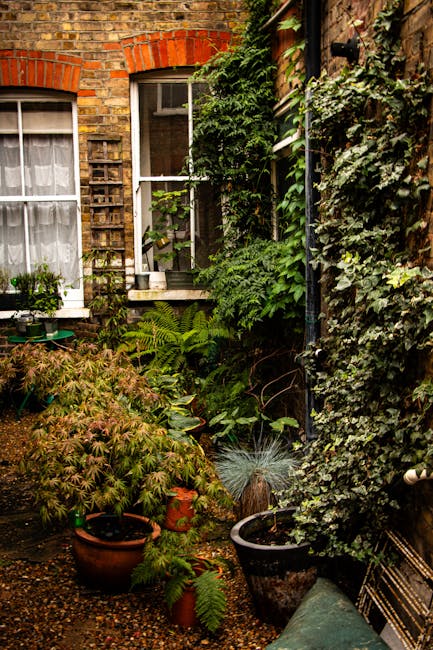
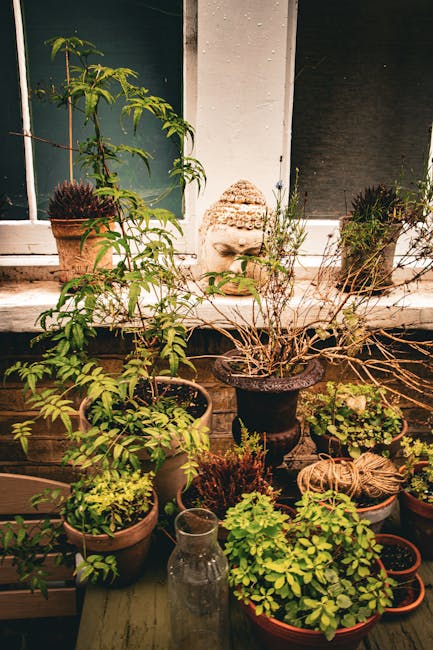
Best gardeners in Kings Cross N1C for small courtyards
If you live in Kings Cross N1C, you already know the reality: outside space is usually compact, overlooked, and just a little awkward. A small courtyard can be brilliant, but only if it is designed and maintained properly. The best gardeners in Kings Cross N1C for small courtyards understand how to make a tight space feel calm, usable, and surprisingly generous. Not bigger, necessarily. Just better.
That means choosing the right plants for shade and wind, keeping paving clean and safe, sorting drainage before it becomes a problem, and shaping the whole thing so it feels intentional rather than squeezed in. In a neighbourhood like Kings Cross, where courtyards often sit between brick walls, railings, and nearby buildings, the details matter. A lot.
This guide walks you through what to look for, how a good courtyard garden project works, what benefits to expect, and where people most often go wrong. You will also find a practical checklist, a comparison table, and a few local-useful internal links to help you explore related services and advice.
Table of Contents
- Why Best gardeners in Kings Cross N1C for small courtyards Matters
- How Best gardeners in Kings Cross N1C for small courtyards Works
- Key Benefits and Practical Advantages
- Who This Is For and When It Makes Sense
- Step-by-Step Guidance
- Expert Tips for Better Results
- Common Mistakes to Avoid
- Tools, Resources and Recommendations
- Law, Compliance, Standards, or Best Practice
- Options, Methods, or Comparison Table
- Case Study or Real-World Example
- Practical Checklist
- Conclusion
- Frequently Asked Questions
Why Best gardeners in Kings Cross N1C for small courtyards Matters
Small courtyards are not just "mini gardens". They are usually high-pressure spaces doing several jobs at once: they need to look good, stay tidy, work in all seasons, and sometimes handle storage, pets, seating, or access. In Kings Cross N1C, that challenge is amplified by urban conditions: reflected heat, shade from buildings, limited access, and the occasional gust that seems to travel straight through the postcode.
That is why choosing a gardener with real courtyard experience matters. A general gardener may be excellent with larger lawns or open beds, but a compact outdoor space needs a different mindset. It is part design, part maintenance, part problem-solving. One wrong plant choice can make the whole area feel crowded. One poor drainage decision can leave you with puddles every time it rains. Truth be told, small spaces are less forgiving.
The best gardeners think in layers. They ask how the space looks from inside the flat, how it feels at dusk, where water runs after a downpour, and how much upkeep you actually want. That sort of thinking is the difference between "nice enough" and a courtyard you genuinely use on a Tuesday evening with a cup of tea while the city hums outside.
If you are exploring broader outdoor care as well, it can help to compare courtyard work with general maintenance options such as garden maintenance services or a more hands-on garden tidy-up visit. That context is useful because a courtyard often needs both design judgment and light, regular upkeep.
How Best gardeners in Kings Cross N1C for small courtyards Works
A good courtyard gardening service usually begins with a proper look at the space, not a rushed glance. The gardener will want to know how much sun the area gets, what the current soil or containers are like, what materials are already in place, and how you want to use the space. Are you after a low-maintenance green retreat? A place for herbs and cooking? Somewhere to entertain? Different answers lead to very different plans.
In practical terms, the work often falls into a few clear stages:
- Assessment: checking light, drainage, access, existing planting, and any structural issues.
- Planning: deciding on planting style, materials, maintenance level, and any layout changes.
- Preparation: clearing debris, improving soil, repairing containers, or refreshing surfaces.
- Planting and installation: choosing species that suit shade, container growing, or confined root space.
- Aftercare: setting watering routines, pruning plans, and seasonal tasks.
For small courtyards, the "how" is often more important than the "what". A plant may be beautiful in theory and useless in a dark, damp corner. Likewise, a stylish pot is only stylish until the drainage holes block and the roots sit in water for weeks. Little things. Big consequences.
If your courtyard sits alongside a shared block or managed building, it may also help to coordinate with broader site services such as commercial gardening support or local grounds maintenance. That is especially useful where communal standards matter and the space needs to stay consistently presentable.
Key Benefits and Practical Advantages
The right gardener can do more than "make it look nice". In a small courtyard, good work changes how the space functions day to day. Here are the benefits that matter most.
- Better use of space: smart layout makes even a tiny courtyard feel easier to move through and sit in.
- Lower maintenance: the best planting choices reduce constant watering, trimming, and replacing.
- Improved visual calm: fewer mismatched features and more deliberate structure makes a cramped space feel less cluttered.
- Healthier plants: proper soil, drainage, and positioning mean fewer losses.
- More year-round value: a well-planned courtyard still looks decent in winter, not just for ten weeks in summer.
- Better property impression: first impressions count, especially in city homes where outdoor space is a premium.
There is also a less obvious benefit: confidence. When a courtyard is well set up, you stop worrying about what will fail next. That awkward patch of damp? Gone. The overgrown pot that always looked half-dead? Fixed. The whole place just breathes a bit easier.
And to be fair, that is what many people want most. Not a show garden. Just a space that quietly works.
Who This Is For and When It Makes Sense
This kind of service is ideal if your outdoor space is small, enclosed, or difficult to keep in shape without specialist help. It is especially relevant for:
- flat owners with a courtyard, terrace, or patio garden
- tenants who want the space improved without major structural work
- landlords preparing a property for viewing or letting
- busy professionals who want a green space but not the weekend workload
- communal property managers dealing with a neat but neglected shared courtyard
It also makes sense if you have already tried a few quick fixes and they have not stuck. Maybe the plants keep drying out. Maybe the space gets too shady. Maybe it looks fine in May and a bit tired by September. That is normal. Small courtyards are often less about adding more and more, and more about editing well.
If you are unsure whether you need a one-off makeover or continuing care, a visit from a local expert is often enough to clarify things. In many cases, a simple service package and seasonal refreshes are better than a big one-time spend that is not maintained. If you need support over time, see also residential gardening services and seasonal garden maintenance.
Step-by-Step Guidance
If you want the best result from a courtyard gardener, it helps to know what a sensible process looks like. Here is a practical step-by-step guide.
1. Start with a clear brief
Before anyone lifts a spade, decide what the space needs to do. Relaxing area? Plant-heavy? Child-friendly? Pet-safe? Low maintenance? A decent brief saves time and avoids expensive mistakes. Even a rough mood board from your phone can help. Honestly, it does.
2. Measure the space properly
Small courtyards punish guesswork. A few centimetres matter when you are choosing planters, benches, or pathway widths. Measure usable width, door swing, drainage points, and any awkward corners. If something feels tight on paper, it will feel tighter in real life.
3. Review light and shade
Kings Cross courtyards often have patchy light. Some areas may get a burst of morning sun, others may barely see direct light at all. That affects plant choice massively. A good gardener will match plants to conditions instead of trying to force a sunny-border look into a shaded courtyard.
4. Fix drainage and soil first
Before new planting, check whether water is draining properly. Standing water can rot roots and stain paving. If beds are being refreshed, the soil may need to be improved with compost or the planting may be better suited to raised containers. This is one of those boring steps that saves a lot of grief later.
5. Choose the right structure
Vertical planting, trellis screens, wall planters, slimline seating, and compact containers all help a small courtyard feel coherent. The point is not to fill every inch. The point is to make the eye travel well through the space.
6. Select plants with resilience
In a city courtyard, resilience matters more than fussiness. Think evergreen structure, seasonal interest, and plants that tolerate container life or filtered light. Many people love the idea of a gorgeous, demanding plant. In practice, the sturdy one usually wins.
7. Build a maintenance rhythm
Ask for a care plan. Watering, deadheading, pruning, feeding, cleaning, and seasonal check-ins should all be clear enough that you do not end up guessing. If you want ongoing support, a service like regular lawn and garden care may be less relevant for a courtyard lawnless space, but the maintenance principle is the same: keep little issues from becoming big ones.
Expert Tips for Better Results
Here is where the small details really count. Courtyards reward precision, not grand gestures.
- Use repetition, not clutter. Repeating two or three materials or plant types creates calm. Too many different finishes can make a tiny courtyard feel busy fast.
- Choose containers with drainage. Decorative pots are fine, but they need functioning drainage. Hidden waterlogging is a common killer of courtyard plants.
- Think vertical. A wall-mounted planter, slim trellis, or trained climber can add softness without taking floor space.
- Prioritise evergreen structure. In winter, structure matters more than colour. A courtyard without any backbone can look bare by February.
- Keep pathways simple. If you need to shuffle around furniture just to water a plant, the design is working against you.
- Match maintenance to lifestyle. If you are out most weekdays, avoid schemes that need constant attention. Be honest about that. No one is going to water a thirsty fern in a flat five floors up if they already left for work.
Expert summary: the best courtyard gardens in Kings Cross are usually the ones that look effortless because the structure, planting, and maintenance plan were all considered together from the start.
One more thing. Small gardens do not need "more". They need clarity. That is often the difference between a space people admire and one they actually use.
Common Mistakes to Avoid
There are a few mistakes that keep showing up in small courtyard work. Some are cosmetic. Some are expensive. A few are both.
Overcrowding the space
It is tempting to add extra pots, ornaments, furniture, and trellis because everything looks good individually. In a tight courtyard, though, too much of a good thing becomes visual noise.
Ignoring shade and wind
Plants that thrive on a sunny balcony may struggle in a shady, enclosed courtyard. Likewise, a courtyard can channel wind in odd ways. That matters for leaves, stems, and lightweight planters.
Skipping drainage checks
If the base of the courtyard holds water, the plant roots pay for it. Always check drainage before investing in new planting. Always.
Choosing high-maintenance plants by mistake
People often buy for appearance rather than conditions. Then they wonder why the rosemary sulks or the hydrangea looks unhappy in the wrong corner. A good gardener helps avoid that mismatch.
Forgetting access for maintenance
If you cannot reach the back wall without climbing over a bench, upkeep becomes a chore. A compact garden still needs practical access for pruning, cleaning, and watering.
There is also a subtle mistake that is easy to miss: designing for summer only. A courtyard that looks lovely in June but dull by late autumn can feel disappointing for the rest of the year. Balance seasonal interest. You will thank yourself in November, when the light goes pale and the evenings arrive early.
Tools, Resources and Recommendations
For small courtyard work, the tools themselves are not the whole story, but the right equipment does make a noticeable difference. A capable gardener will usually bring or recommend:
- compact hand tools for precise planting and pruning
- quality compost and soil improvers suited to container or bed planting
- lightweight but stable containers
- mulch to retain moisture and tidy the finish
- pruning tools for climbers, shrubs, and herbaceous plants
- watering solutions that suit a small, enclosed space
On the planning side, it can help to ask for:
- a simple maintenance schedule
- planting recommendations for sun, shade, or mixed light
- a sketch or visual layout if the space is being redesigned
- seasonal care notes, especially for winter and heatwaves
If you are comparing services, related pages such as hedge trimming and shaping or professional pruning services can be helpful if your courtyard includes climbers, screening plants, or compact shrubs that need regular control.
Law, Compliance, Standards, or Best Practice
For most private courtyard gardening in Kings Cross N1C, this is not a heavily regulated activity. Still, there are sensible standards and local considerations to keep in mind.
If the space is shared, rented, or part of a managed block, you may need permission before changing planting, fixing features, or altering surfaces. That is especially true for anything attached to walls, railings, or communal structures. In buildings with leasehold arrangements or managing agents, it is always wise to check first. Saves awkward conversations later.
Other best-practice points include:
- making sure planters do not block drains, access routes, or escape paths
- using stable pots and fixtures that are safe in wind
- avoiding invasive plants that may spread where they are not wanted
- disposing of green waste responsibly
- checking that any electrical lighting or irrigation used outdoors is suitable for external conditions
For professional work, good practice also means clear communication about what is included, what is excluded, and how ongoing maintenance will be handled. That sounds basic, but it prevents most disputes. If you are working with a reputable local provider, they should be able to explain their approach plainly, without jargon or hand-waving.
Options, Methods, or Comparison Table
Not every small courtyard needs the same type of gardener or service model. Here is a simple comparison to help you think through the options.
| Option | Best for | Strengths | Trade-offs |
|---|---|---|---|
| One-off courtyard makeover | Spaces that need a reset | Fast visual improvement, clear design direction | Can decline again without upkeep |
| Regular maintenance visits | Courtyards already in good shape | Keeps plants healthy, avoids overgrowth | Less dramatic change upfront |
| Planting and soft landscaping only | Courtyards with good hard surfaces | Improves atmosphere without major work | May not solve drainage or layout issues |
| Design plus maintenance package | Busy owners or managed properties | Best continuity, less hassle, more consistency | Usually higher overall investment |
For many Kings Cross courtyards, the best value comes from combining a focused redesign with occasional upkeep. A one-off fix can be satisfying, but without follow-through it can drift. A good gardener will be honest about that rather than selling the fanciest option. That honesty matters.
Case Study or Real-World Example
Here is a realistic example based on the kind of small courtyard many local residents deal with.
A flat owner in N1C had a narrow paved courtyard with one shaded corner, a patch of tired container plants, and a bench that barely fit. The space felt more like a storage pocket than a garden. It was not terrible, just not inviting. The owner wanted something calm, low maintenance, and suitable for occasional evening use.
The gardener started by clearing the clutter and checking drainage near the back wall. Two planters were replaced with better-sized containers. A climber was added to soften the vertical surface, while shade-tolerant planting was used in the darker area. Rather than adding more furniture, the layout was simplified, and the bench was repositioned so the entrance felt wider.
A few weeks later, the change was subtle but real. The courtyard did not shout for attention. It no longer needed to. The space felt lighter, more open, and much easier to care for. The owner could sit out with a book, hear the city background hum, and actually enjoy the courtyard instead of apologising for it.
That is often the real goal, isn't it? Not perfection. Just a place that feels settled.
Practical Checklist
Use this checklist when choosing a gardener or planning a small courtyard project in Kings Cross N1C.
- Have they worked on small or enclosed gardens before?
- Do they ask about light, shade, wind, and drainage?
- Can they suggest plants that suit your actual conditions?
- Do they explain maintenance clearly and realistically?
- Will they help with layout, not just planting?
- Do they understand compact-space design principles?
- Can they work around access issues in flats or shared buildings?
- Do they offer clear written quotes or scope summaries?
- Have they discussed seasonal changes and aftercare?
- Do they sound practical, not just enthusiastic?
If you can tick most of these boxes, you are in a much stronger position. And if you cannot, keep looking. Small spaces deserve proper care, not guesswork.
Conclusion
The best gardeners in Kings Cross N1C for small courtyards are the ones who understand that compact spaces need precision, not pressure. They know how to work with limited light, tricky access, and the everyday realities of city living. More importantly, they know how to make a small outdoor space feel easier to live with.
Whether you want a complete courtyard refresh, better planting, smarter containers, or simple maintenance that keeps things under control, the right local gardener can turn an awkward little patch into one of your favourite parts of home. Not flashy. Just genuinely useful. And sometimes that is the best kind of beautiful.
If you are ready to compare options or talk through your space, start with a clear brief and a few photos of the courtyard at different times of day. Then ask questions, trust the practical advice, and choose the service that feels calm and thorough rather than rushed.
Get a free quote today and see how much you can save.
Frequently Asked Questions
What should I look for in a gardener for a small courtyard in Kings Cross N1C?
Look for someone who understands compact-space design, container planting, shade tolerance, drainage, and maintenance planning. Experience with small urban gardens matters more than general gardening confidence alone.
How often does a small courtyard garden need maintenance?
That depends on the planting and how much you use the space. Some courtyards need monthly visits, while others only need seasonal care and a few light touch-ups in between.
Can a gardener make a tiny courtyard feel bigger?
Yes, absolutely. Through planting structure, colour choice, vertical elements, simplified layouts, and better circulation, a skilled gardener can make a space feel more open and easier to use.
What plants work best in shaded courtyard gardens?
Shade-tolerant evergreens, ferns, hellebores, heuchera, ivy in controlled use, and some tolerant shrubs often work well. The exact choice depends on how much direct light the area gets and whether it is dry or damp.
Is a courtyard garden expensive to improve?
It can be modest or more substantial depending on the scope. A small tidy and planting refresh will cost less than a full redesign with new containers, screening, and soil work. A good quote should clearly show what is included.
Do I need planning permission for courtyard gardening?
Usually not for straightforward planting or maintenance, but you may need permission if changes affect shared structures, external fixtures, or a managed building. If in doubt, check with the landlord, freeholder, or managing agent first.
How do I stop my courtyard from looking cluttered?
Use fewer materials, repeat a small number of plant types, and avoid filling every available corner. In small gardens, restraint is often the thing that makes the design feel polished.
Can a gardener help if my courtyard has poor drainage?
Yes. A good gardener can assess whether the issue is surface water, compacted soil, blocked drainage points, or unsuitable containers. They may recommend practical fixes before new planting goes in.
Should I choose a one-off makeover or regular maintenance?
If the space is tired and needs rethinking, start with a makeover. If it is already in decent shape, regular maintenance may be the better fit. Many people use both: one refresh, then periodic care.
Are courtyard gardens suitable for pets or children?
They can be, but the layout and planting need to be chosen carefully. Avoid toxic plants, keep surfaces safe, and make sure there is enough movement space. A gardener can help you plan for that.
How quickly can a small courtyard be improved?
Some improvements are immediate, like clearing, pruning, and replanting containers. Bigger changes, such as new planting schemes or structural features, may take longer because plants need time to settle in.
What is the biggest mistake people make with small courtyards?
Trying to do too much. Too many pots, too many plant types, and too many features can overwhelm a small space. The best results usually come from thoughtful editing, not adding more and more.
If you take one thing from all this, let it be this: a small courtyard can be one of the most satisfying spaces to get right. When it works, it really works.